
Animal behaviors during Tanzania Safari
Animal behaviors during Tanzania Safari
“Unlock the Secrets of the Wild with Lucky Moon Adventure”
When you’re on safari, every rustle in the grass, flick of a tail, or sudden call has a meaning. Knowing how to interpret animal behavior not only deepens your connection to the experience but also helps keep youand the animals safe.
At Lucky Moon Adventure, we believe a great safari isn’t just about seeing wildlife it’s about understanding it. Here’s your guide to understanding animal behavior on safari and getting the most out of your time in the wild.
Why Behavior Matters More Than Sightings
Anyone can point out a lion under a tree but knowing why it’s there, what it’s doing, and how it might react changes everything.
When you understand behavior, you:
- Anticipate dramatic moments (like a hunt or a charge)
- Spot animal’s others might miss
- Stay safer on game drives and walking safaris
Appreciate the deeper stories playing out all around you.
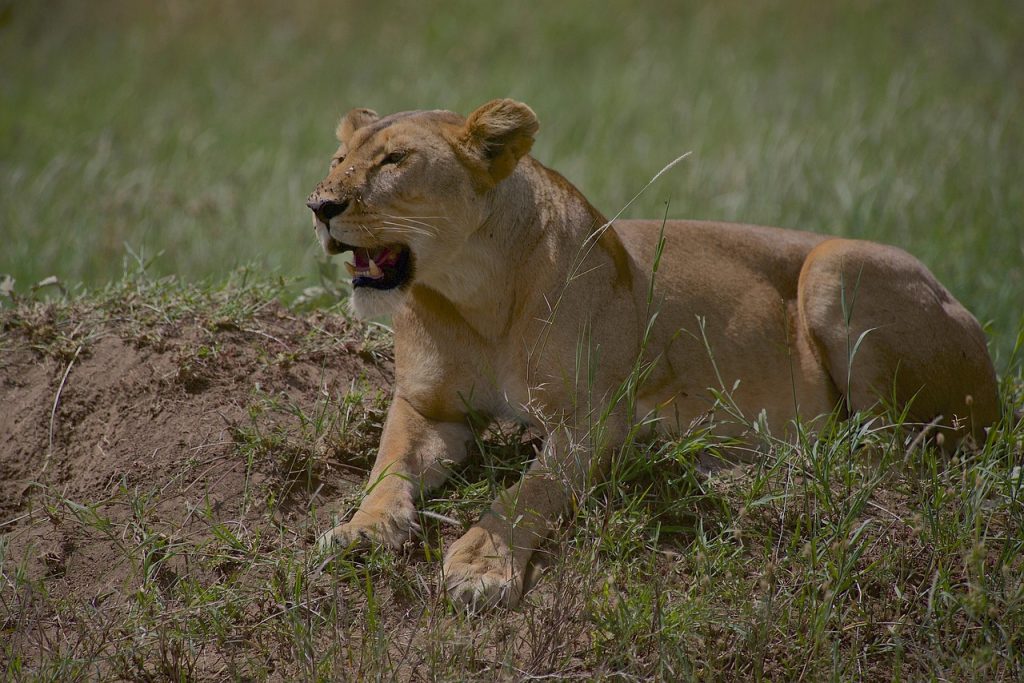
Lions: The Power of the Pride
- Yawning: Often a sign of wakefulness before a hunt, not boredom.
- Tail twitching: May indicate irritation or focus, especially before stalking.
- Low growls or grunts: Communication within the pride, or warnings to others.
- Head rubbing: A bonding behavior between pride members.
“Lions are most active at dawn and dusk. Watch for movement near water or prey.”
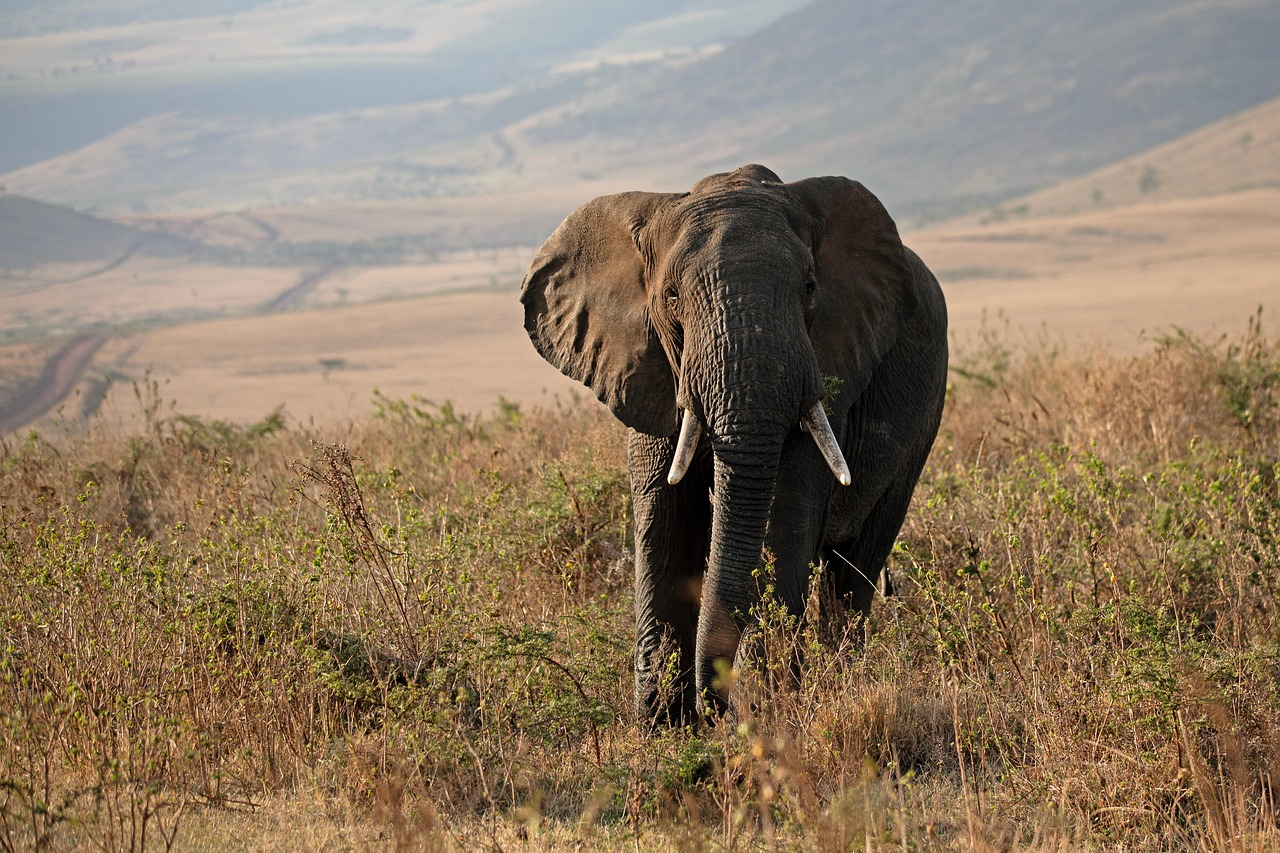
Elephants: Social, Smart, and Sensitive
- Flapping ears: Cooling mechanism but rapid flapping with head held high may indicate agitation.
- Trumpeting: Excitement, alarm, or communication context is everything.
- Trunk wrapped around another’s: A sign of affection or bonding.
- Mock charges: Head up, ears spread, trunk curled meant to intimidate, not harm (usually!).
“Keep a safe distance from lone bulls and mothers with young calves.”
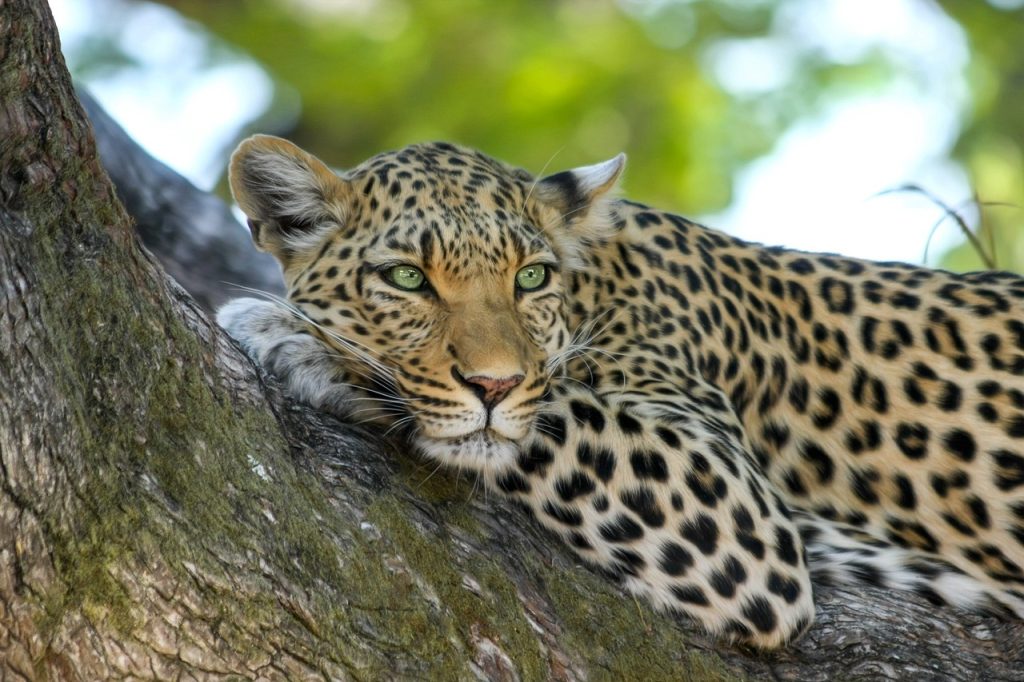
Leopards: The Stealth Masters
- Tail flicking: Often seen when they’re alert, agitated, or hunting.
- Climbing trees: To rest, store food, or scan the area.
- Snarling or low growls: A warning, often before moving off.
- Freezing in place: Prey spotted watch closely!
“Stay quiet and still. Movement or noise may spook them instantly.”
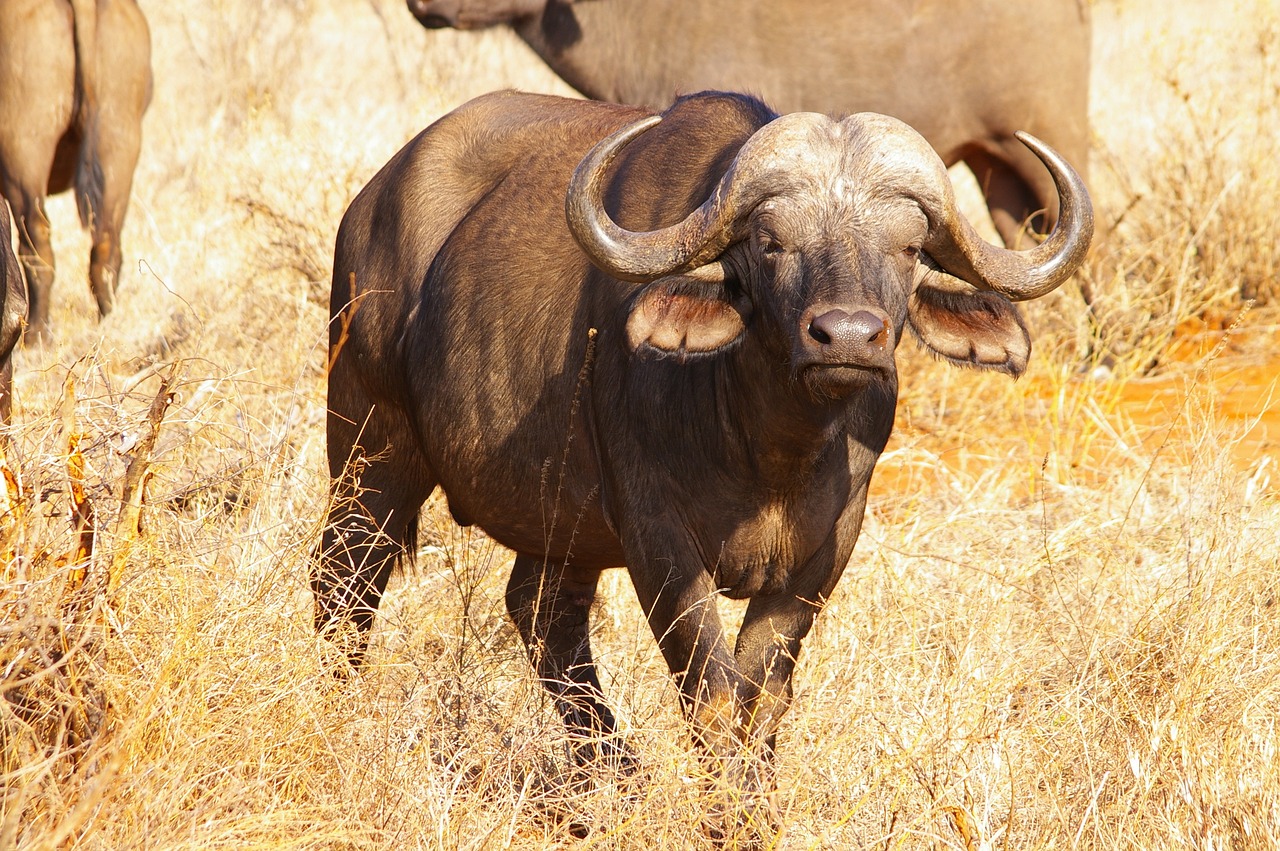
Cape Buffalo: Always Watch the Eyes
- Head down, staring: Not curious possibly preparing to charge.
- Snorting or pawing the ground: High alert or discomfort.
- Group huddling: Protection tactic, especially against predators.
- Calm grazing: A good sign you’re safe to observe.
“Never underestimate a buffalo they’re unpredictable and fearless.”
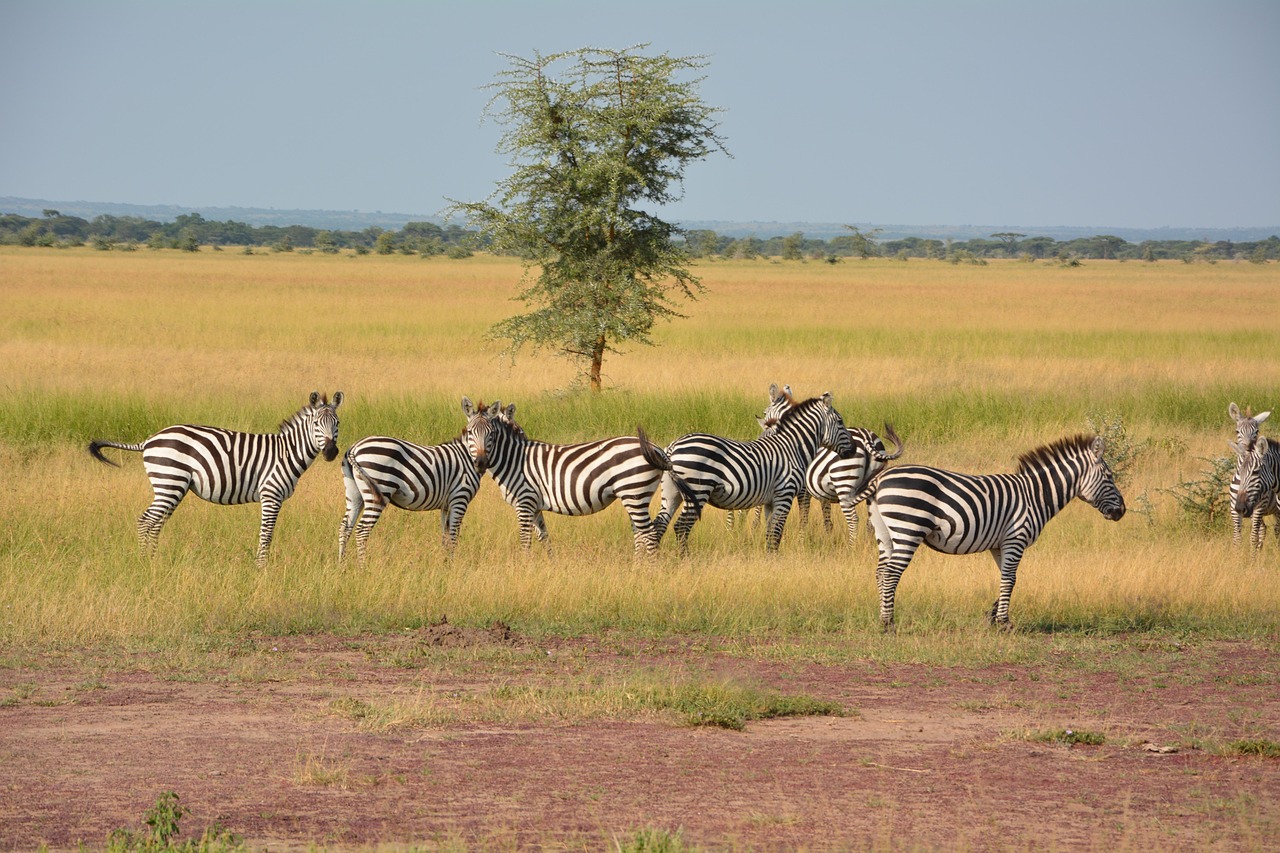
Zebras, Antelope & Giraffes: Nature’s Early Warning System
- Sudden head raise or alert posture: Something has startled them.
- Staring in one direction: Look closely they may have spotted a predator.
- Stotting (high jumping): Seen in gazelles used to confuse or deter predators.
- Giraffe “necking”: Males fighting for dominance.
“Use their behavior as clues predators are often close when prey gets nervous.”
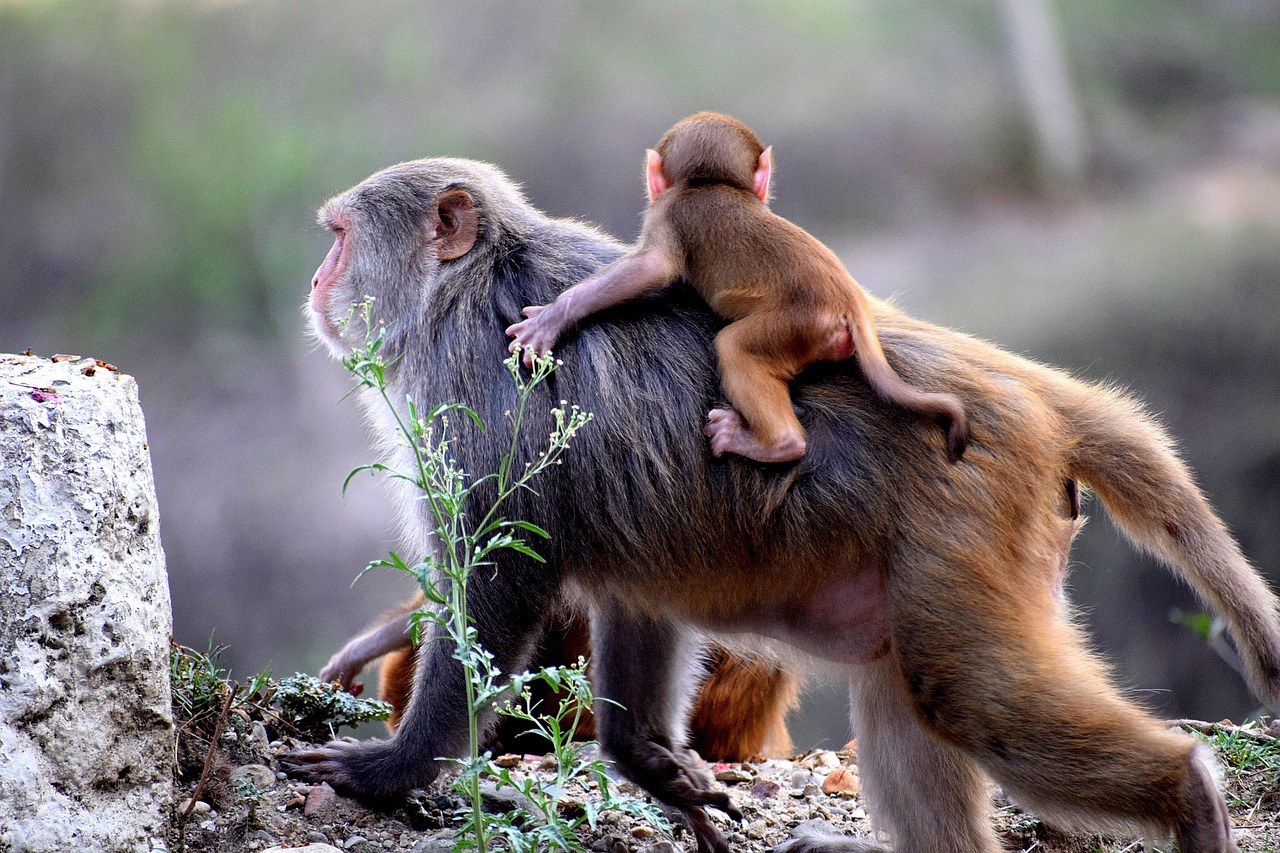
Baboons & Monkeys: The Forest’s Gossip Network
- Alarm calls: High-pitched barks or screeches often signal a predator nearby.
- Yawning (with teeth bared): A threat display, not boredom.
- Fleeting glances up trees or sky: Could mean a leopard or bird of prey is overhead.
- Aggressive grooming or chasing: Power dynamics within the troop.
Behavior Clues = Wildlife Gold
Understanding behavior helps you:
- Predict action (like a hunt or mating ritual)
- Identify stress or aggression early (for your safety)
- Appreciate social structures and animal personalities
- Deepen your connection to Africa’s ecosystems
Observing Like a Naturalist
Want to get better at reading the wild? Try this:
- Bring binoculars and use them often
- Ask your guide questions—they’re a wealth of behavioral knowledge
- Be patient and still—let the animals come to you
- Keep a notebook of what you observe
Respecting Wildlife Through Awareness
At Lucky Moon Adventure, we practice responsible safari ethics. Understanding animal behavior is key to:
- Avoiding stress to wildlife
- Ensuring your safety
- Promoting conservation through respectful observation
Remember: you’re a guest in their home.
Let’s Decode the Wild—Together
Whether it’s a lion’s low growl, a giraffe’s warning glance, or a baboon’s alarm call, every sound and movement tell a story. On a Lucky Moon Adventure, we’ll help you interpret those stories turning your safari into a true journey of discovery.
Contact us to plan a guided safari where wildlife behavior isn’t just seen it’s understood.
Lucky Moon Adventure — Know the Wild, Not Just the Names.