
Mount Kilimanjaro Climbing
Going Above And Beyond
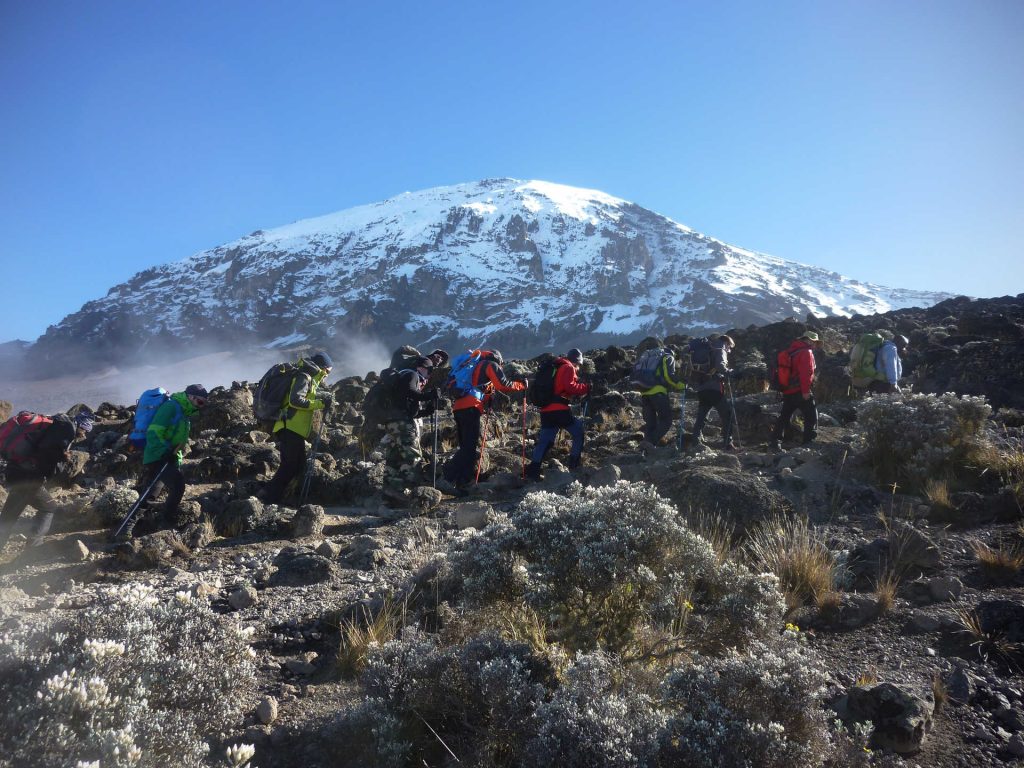
Kilimanjaro is the highest peak of the African continent. Acquiring 5,895m height it’s also the highest free-standing mountain in the world. Being the topmost mountain in Africa, this is a dream for hikers. There are 30,000 trekkers including the experienced to the aspiring one visiting Tanzania for Climbing Mount Kilimanjaro.
Kilimanjaro Climbing is one of the most incredible experiences for climbers. It’s a genuine experience that brings remarkable highs and testing lows. The greatest aspect of Climbing Mount Kilimanjaro – and what makes is so well known – is that it’s available to nearly anybody. With the right planning, a solid ability, and an awesome support group around you, it’s entirely possible to reach the summit.
So Who Can Climb Kilimanjaro? Anyone from children over the age of 10 to older generations in their 60s and 70s! All you need is the strength of mind and the willing to get to the summit. The real difficulty with Climbing Kilimanjaro is the altitude and the rate of ascent. Don’t hesitate, we will be with you every step of the way! Our Kilimanjaro Guides are highly expert professionals and are a main factor to your success.
Kilimanjaro is the highest peak of the African continent. Acquiring 5,895m height it’s also the highest free-standing mountain in the world. Being the topmost mountain in Africa, this is a dream for hikers. There are 30,000 trekkers including the experienced to the aspiring one visiting Tanzania for Climbing Mount Kilimanjaro.
Kilimanjaro Climbing is one of the most incredible experiences for climbers. It’s a genuine experience that brings remarkable highs and testing lows. The greatest aspect of Climbing Mount Kilimanjaro – and what makes is so well known – is that it’s available to nearly anybody. With the right planning, a solid ability, and an awesome support group around you, it’s entirely possible to reach the summit.
So Who Can Climb Kilimanjaro? Anyone from children over the age of 10 to older generations in their 60s and 70s! All you need is the strength of mind and the willing to get to the summit. The real difficulty with Climbing Kilimanjaro is the altitude and the rate of ascent. Don’t hesitate, we will be with you every step of the way! Our Kilimanjaro Guides are highly expert professionals and are a main factor to your success.
Highlights Of Our Mount Kilimanjaro Treks
Kilimanjaro Packages
Verified Johnson showed us the best of Tanzania! I can warmly recommend booking your adventure in Tanzania with Lucky Moon Adventure. Johnson is the best guide and ranger you could ask for. Skilled, educated, friendly and he will do everything he can to make sure you get the best experience. He can spot animals like no other and knows every road like the back of his hands. Hope that we can go back soon again! Asante sana, Jojo.Verified Brilliant, close, memory for life for the whole family If you want to experience the true wild, be in the real authentic nature and want this lead by competence and warmth - you want to go with Lucky Moon Adventuress!!Verified A comfortable trip to the wildlife On the journey with Stan, I felt very well taken care of with my elderly mother. Stan managed to fulfill our wishes excellently and to make our interests his own, so that we felt that we were in good hands. Our excitement at being able to see the animals of Africa in the wild grew with every day of the fabulous safari. Stan always had an excellent sense of perspective and the best view of the animals. He also took special requests into account when the interest was focused on small and inconspicuous animals. In short, the trip was a great experience and I would love to come back. Many thanks to StanVerified Wonderful experience My partner and I warmly recommend Lucky Moon Adventures.Johnson showed us Tanzanian wildlife in 3 different areas: Manyara, Ngorongoro and Serengeti.He is a very skilled and friendly ranger, always doing his very best to give you the best experiences by doing extra effort.We are very much looking forward visiting Tanzania again and will certainly book with Lucky Moon Adventures.Verified Knowledgeable and Passionate Johnson took my wife & I on our honeymoon safari and we couldn’t have wished for a better guide to spend our time with! He always goes the extra mile for his guests and is an extremely generous gentleman. Johnson is extraordinary at spotting rare animals, making your trip extremely exciting!! His knowledge of and passion for Safari is refreshing.Would recommend to everyone booking through Lucky Moon!
Top Kilimanjaro Climbing FAQs & Answers
Climbing Kilimanjaro is challenging but achievable for most reasonably fit individuals. It’s a non-technical trek, meaning you don’t need ropes or climbing experience. However, altitude sickness, cold temperatures, and long hiking days make proper preparation essential.
Each route offers unique advantages:
-
Machame Route (7 days): Most popular for its scenic diversity and good acclimatization.
-
Lemosho Route (8 days): Very scenic, less crowded, great success rate.
-
Rongai Route (7 days): Quiet, dry northern side, gentler ascent.
-
Marangu Route (5–6 days): Only route with hut accommodation.
-
Northern Circuit (9 days): Longest route, excellent acclimatization, least crowded.
-
Umbwe Route (6 days): Steepest and most difficult, recommended for experienced climbers.
The dry seasons are the best times:
-
January to early March: Warmer, clearer conditions.
-
June to October: Cooler and more popular season.
Avoid April, May, and November due to heavy rain.
Altitude sickness occurs due to low oxygen at high elevations. Symptoms include headaches, nausea, and fatigue. To minimize risk:
-
Choose longer routes (7+ days)
-
Ascend slowly
-
Drink plenty of water
-
Listen to your guide’s advice
Success rates vary by route:
-
5-day routes: ~45%
-
6–7-day routes: ~65–75%
-
8–9-day routes: up to 90%
Longer routes improve your chances due to better acclimatization.
You’ll need:
-
Waterproof boots
-
Layered clothing (base layer, fleece, down jacket, waterproof shell)
-
Sleeping bag (rated to -10°C/14°F)
-
Daypack
-
Headlamp
-
Trekking poles
Most tour operators provide a detailed packing list and gear rental if needed.